
Salsa Fashion for Men: What to Wear for a Night at the Club
"What should I wear to salsa?" is one of the most common questions in every scene, especially from men entering social dancing for the first time.
The short answer is: wear what lets you move well, stay comfortable, and still look intentional.
The long answer is below.
The three goals of salsa clothing
Before specific brands or looks, use this filter:
- Mobility: can you move full range without fighting your clothes?
- Thermal comfort: can you survive heat, sweat, and long sets?
- Presentation: do you look put together for the venue vibe?
If an outfit fails the first two, it will fail on the dance floor no matter how stylish it looks in a mirror.
Shirt strategy: fit and movement first
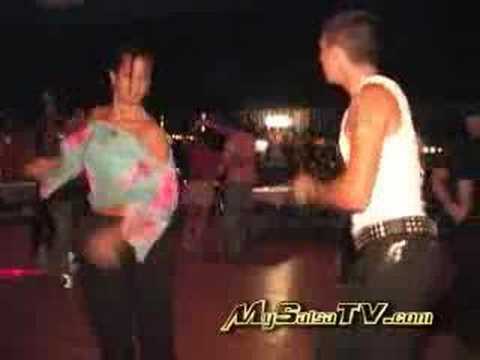
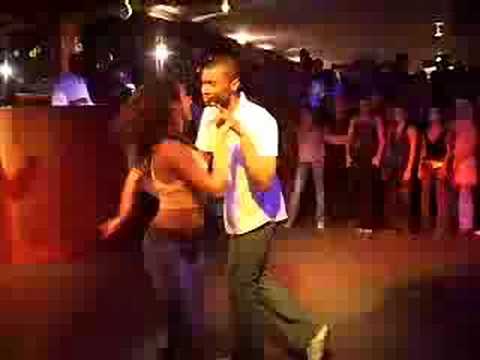
A good salsa shirt should allow clean arm movement and torso rotation without pulling hard across shoulders or exposing too much when arms rise.
What to look for
- athletic or tailored fit (not restrictive slim fit),
- breathable fabric blend,
- sleeves that roll cleanly,
- hem length that works untucked for your body type.
What to avoid
- boxy shirts that balloon while turning,
- heavy fabrics that hold sweat,
- overly long cuts that look like tunics when untucked.
Good shirt design is not only visual. It directly affects comfort and confidence during partnerwork.
Pants and jeans: durability plus flexibility
Many male dancers use jeans successfully, but not all denim behaves the same on a dance floor.
Better choices
- stretch denim with moderate taper,
- midweight fabric that allows movement,
- fits that stay secure without constant adjustment.
Risky choices
- very stiff raw denim,
- extra-loose fits that catch during shines,
- overly tight fits that limit hip and knee mobility.
Your lower body has to support direction changes, turns, and controlled foot placement. Fit matters more than logo.
Color choices and visual impact
Color can change how movement reads in a dim club.
- Light tops can make upper-body motion more visible.
- Darker outfits hide sweat better and can look cleaner late-night.
- High contrast between top and bottom can improve line definition.
Many dancers keep a simple rotation: one neutral dark outfit, one bright/high-contrast option.
Layering and jackets
Jackets can look great but may become impractical on hot floors.
If you layer:
- choose lightweight outerwear,
- test movement with jacket on,
- and plan a place to set it safely when room temperature rises.
Some dancers use jackets for arrival and photos, then remove them before peak dance hours.
Shoes still complete the look
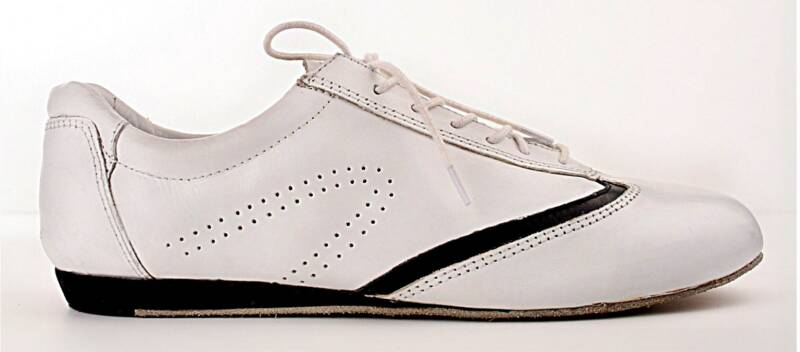
Even in a clothing-focused post, shoes matter visually and functionally.
The best outfit can look unfinished if shoe style clashes with everything else. And if shoes are uncomfortable, style confidence disappears by the third hour.
Aim for shoes that support your dance goals first, then complement color palette second.
Sweat management is part of style
Real salsa fashion includes sweat strategy.
Bring:
- a backup shirt,
- a small towel,
- breathable undershirt if needed,
- and deodorant/body spray used responsibly.
Freshness is etiquette, not vanity.
Fabric and fit details dancers often miss
Small details decide whether an outfit still works after three hours of social dancing.
Fabric weight
Very heavy cotton may look sharp at arrival but can feel restrictive once damp. Breathable blends usually perform better in hot venues.
Shoulder mobility
Before buying a dance shirt, raise both arms like you are leading doubles. If the shirt pulls hard across your back, it will fight your movement all night.
Hem behavior
Untucked shirts should sit cleanly while moving. If the hem flares too much, spins and shines can look messy.
Friction points
Rough seams and stiff waistbands become obvious under sweat and repetition. Comfort at minute ten is not comfort at minute one hundred.
Outfit formulas that usually work
Casual social
- fitted short or long-sleeve button-down,
- dark stretch jeans,
- clean dance shoes.
Polished congress night
- tailored shirt,
- darker trousers or quality denim,
- refined dance shoes,
- optional light jacket.
Hot venue survival setup
- breathable top,
- movement-friendly bottoms,
- minimum layering,
- backup shirt in bag.
Simple formulas beat overcomplicated styling every time.
Budget strategy that still looks intentional
You do not need expensive labels to look good at salsa nights. A practical approach:
- Build around two shirts that fit exceptionally well.
- Keep one reliable dark jean and one lighter option.
- Prioritize dance-appropriate shoes before trend pieces.
Good fit and coordination beat branding most nights.
Dress for your scene, not just your mirror
Salsa scenes vary by city and venue.
- Dressier clubs reward polished looks.
- Casual socials reward mobility and comfort.
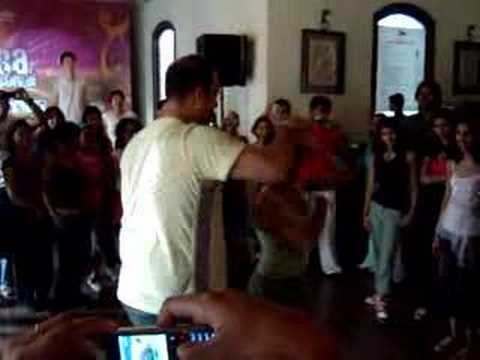
- Congress weekends often need both a polished outfit and a heat-management outfit.
Adapting to context helps confidence and social fit.
Personal style still matters
You do not need to copy one "salsa uniform." Some dancers are classic, some modern, some street-influenced. The point is to match personal identity with dance function.
If you feel comfortable and authentic, your dancing usually looks better because your body language relaxes.
Final takeaway
Great salsa fashion is practical elegance.
Wear clothes that move with you, handle heat, and suit the room. Keep the look intentional but dance-ready.
When style and function align, you spend less time adjusting your outfit and more time enjoying the music.